

Cryo Facial Gallery
$$MultiPurposeText$$
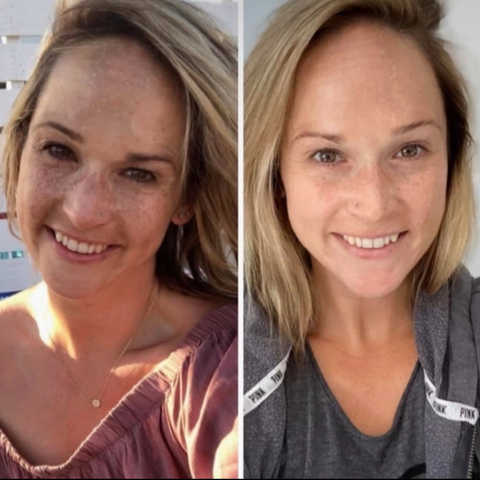
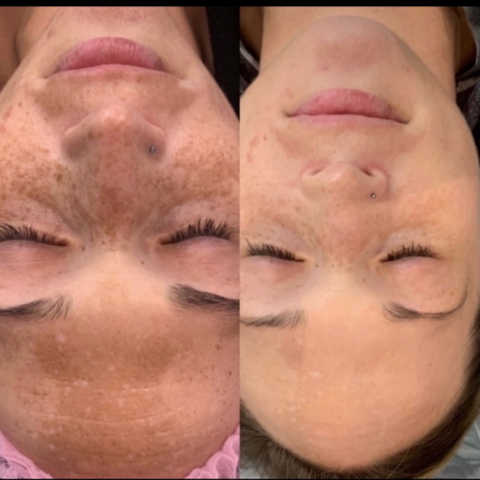
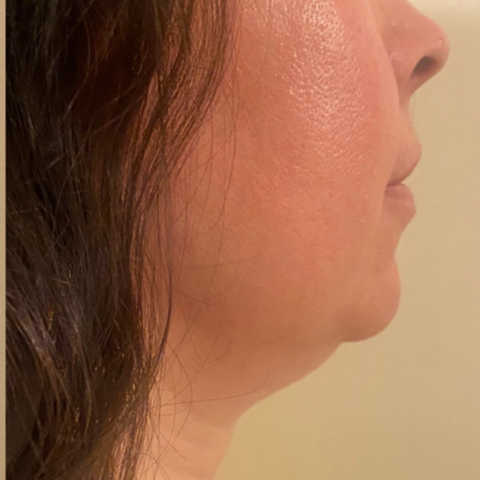
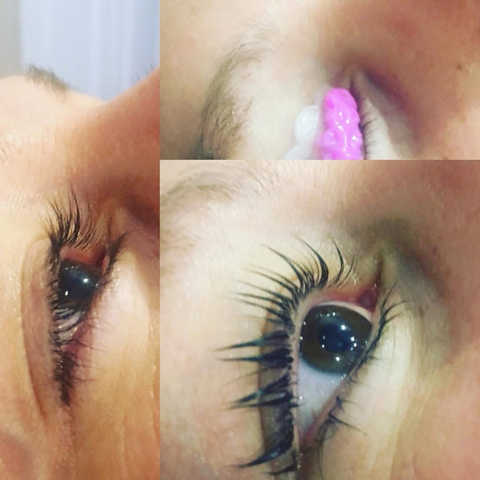
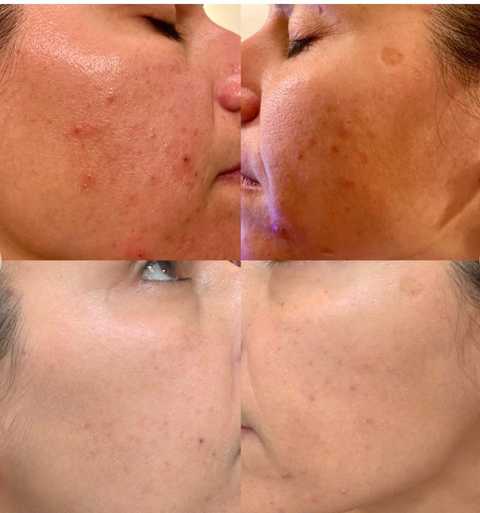
See examples of our Cryo Facial work and results.


What Our Clients Say
$$MultiPurposeText$$
Read testimonials from our satisfied customers

I went to Liz for the first time for a Hydrafacial and had such a wonderful experience!! S...more

Liz is amazing! When the Hydrafacial machine was unavailable, she reached out and customiz...more

Liz, the owner of the Vanity Private Studio is very knowledgeable in all phases of beauty!...more

I couldn’t say enough nice things about Liz and the work that she does. I left, not only f...more

I’ve been seeing Liz for many years, and she is truly exceptional at what she does. Her fa...more

...more
Frequently Asked Questions
Get answers to common questions about Cryo Facial.
A typical Cryo Facial session lasts about thirty to forty-five minutes, including consultation and skin preparation. You’ll notice immediate refreshment and minimal downtime, with cumulative improvements following repeated sessions or complementary treatments recommended by your clinician.
Cryo Facials are generally well tolerated and can calm redness, but sensitive or rosacea-prone skin requires a consultation. We perform a patch test and tailor intensity to avoid irritation and ensure safe, soothing results.
Many clients enjoy visible benefits after one Cryo Facial, but a series—typically three to six sessions spaced one to two weeks apart—yields longer-lasting improvements in tone, texture, and circulation. Your aesthetician will create a personalized plan.
Most clients report only a cool, invigorating sensation during a Cryo Facial with occasional mild tingling. The treatment is non-invasive, typically comfortable, and requires no anesthesia. Any temporary sensitivity usually subsides quickly.
Yes, Cryo Facials are ideal before events because they provide immediate brightness and tightening. Schedule a session the same day or up to one day before, and avoid heavy exfoliation or new topical treatments beforehand.
Certain conditions can preclude Cryo Facials, including cold urticaria, uncontrolled hypertension, active skin infections, open wounds, or recent aggressive resurfacing. Inform us of medications and medical history so your clinician can confirm safety and alternatives.