

ProCell Micro-Channeling Gallery
$$MultiPurposeText$$
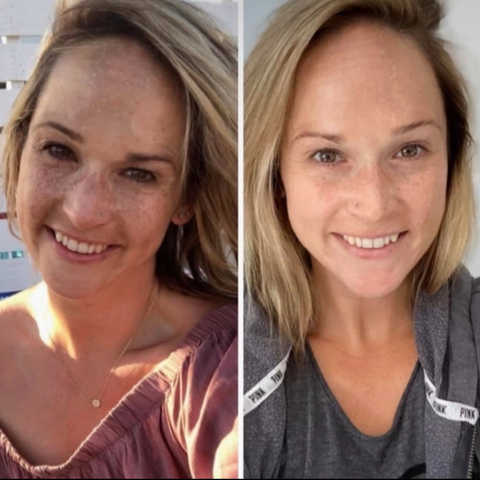
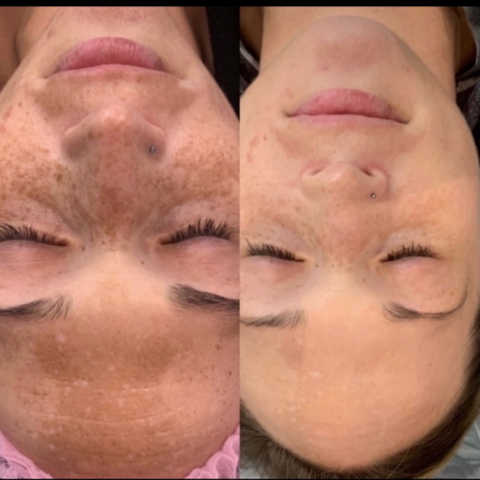
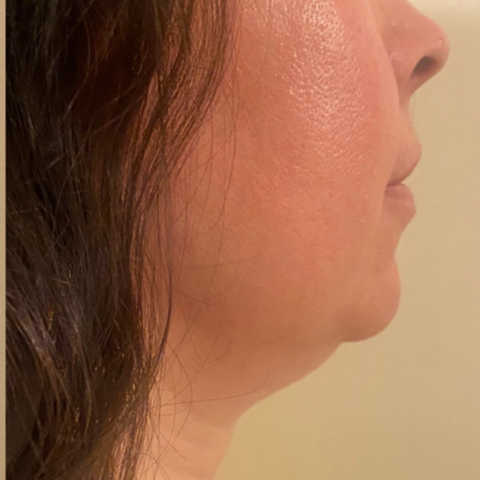
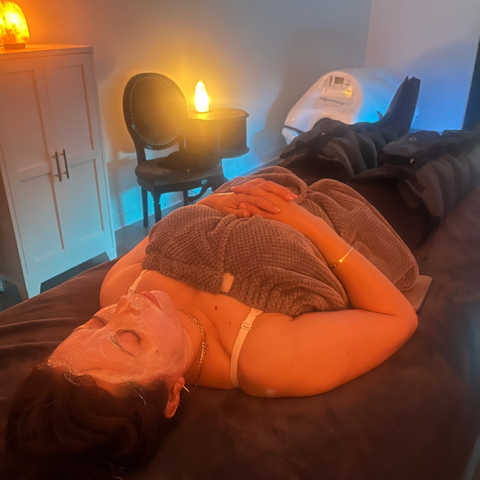
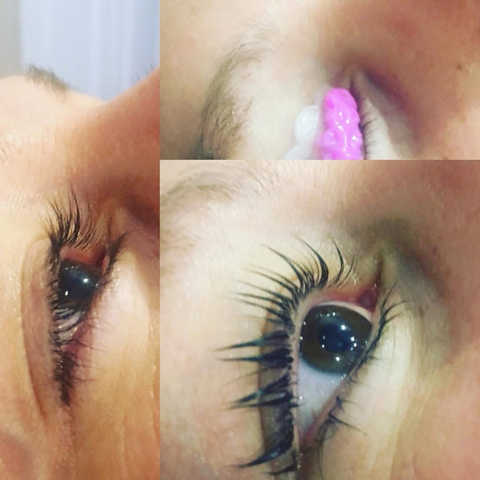
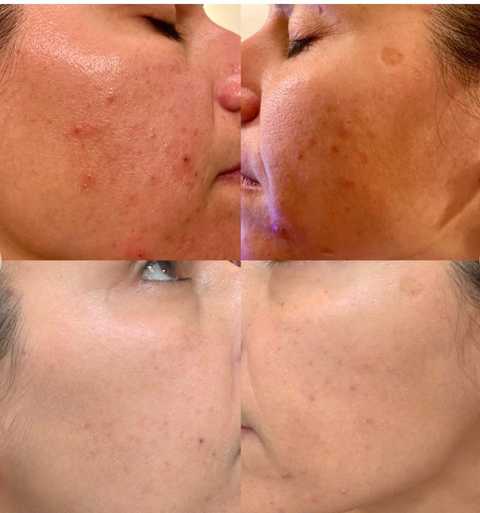
See examples of our ProCell Micro-Channeling work and results.


What Our Clients Say
$$MultiPurposeText$$
Read testimonials from our satisfied customers

I went to Liz for the first time for a Hydrafacial and had such a wonderful experience!! S...more

Liz is amazing! When the Hydrafacial machine was unavailable, she reached out and customiz...more

Liz, the owner of the Vanity Private Studio is very knowledgeable in all phases of beauty!...more

I couldn’t say enough nice things about Liz and the work that she does. I left, not only f...more

I’ve been seeing Liz for many years, and she is truly exceptional at what she does. Her fa...more

...more
Frequently Asked Questions
Get answers to common questions about ProCell Micro-Channeling.
ProCell Micro-Channeling creates precise micro-pathways to deliver growth-factor serums deeper into the skin, then uses LED to calm inflammation and stimulate collagen, improving lines, texture, scars, and pigmentation with controlled healing.
Most clients feel mild discomfort; topical numbing minimizes sensations. Expect redness and slight swelling for 24 to 72 hours. Downtime is short and usually coverable with makeup within a day or two.
Visible improvement often appears after two to three sessions. Optimal results typically require three to six treatments spaced four to six weeks apart, with collagen remodeling continuing for months for cumulative benefits.
Not recommended if pregnant, breastfeeding, actively infected, or using isotretinoin within six months. Those with uncontrolled autoimmune conditions, recent radiation, or keloid tendencies should consult our clinician for a tailored assessment.
Avoid sun, tanning, and harsh exfoliants for a week prior. Consult your physician about blood-thinning meds. Arrive makeup-free and follow aftercare: gentle cleansing, clinic-recommended serums, and daily SPF to protect healing skin.
Yes—ProCell treats acne scars and hyperpigmentation for many skin types. Darker skin tones benefit from controlled settings and professional serums but require cautious parameters to minimize post-inflammatory pigmentation risks.