

Lip, Chin, Nose Gallery
$$MultiPurposeText$$
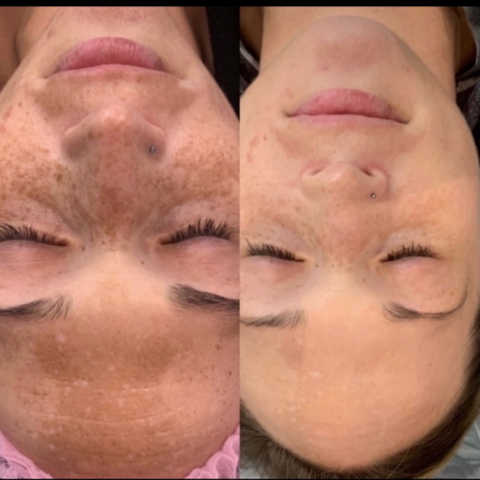
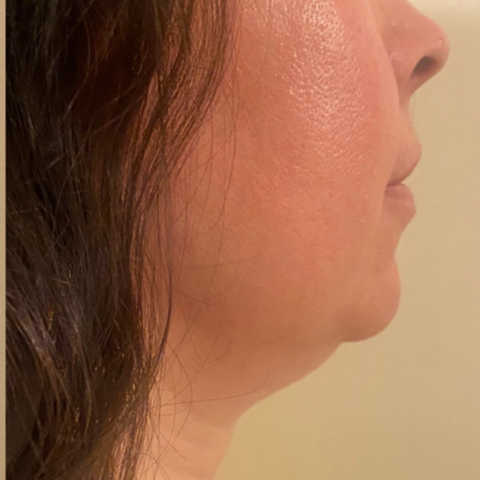
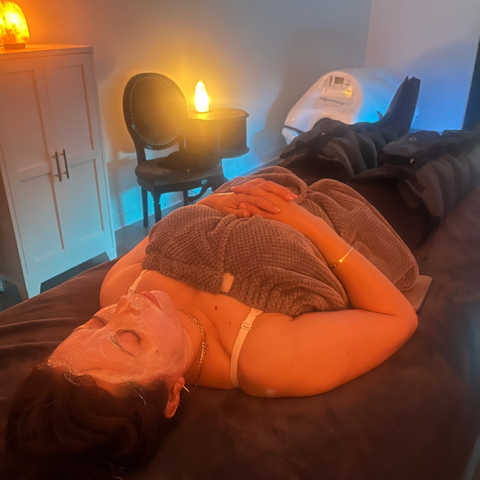
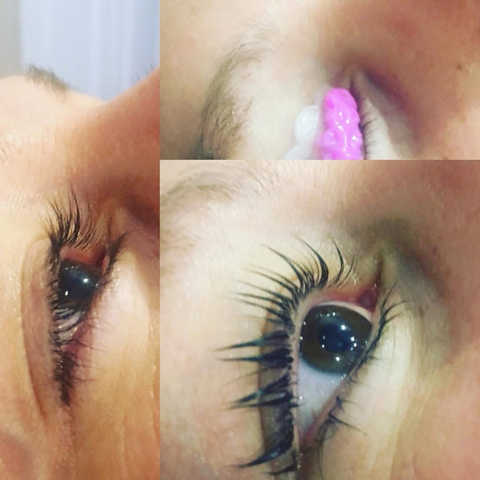
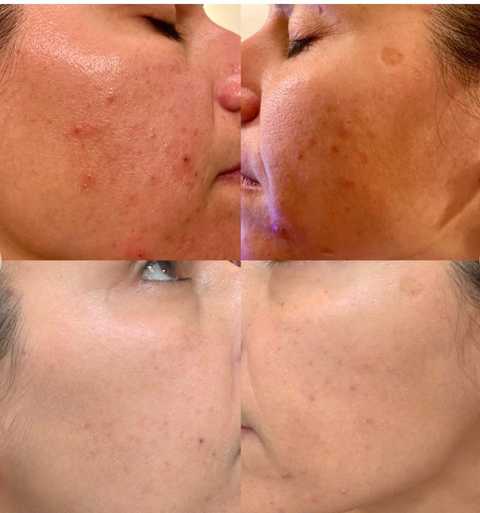
See examples of our Lip, Chin, Nose work and results.



What Our Clients Say
$$MultiPurposeText$$
Read testimonials from our satisfied customers

Amazing place, and Liz's waxing service was excellent! Will come back again

Liz is an incredibly insightful, thoughtful, and practiced aesthetician, and I have relied...more

Liz is the only one I have trusted with my eyebrows and waxing needs for over a decade. Sh...more

Liz is amazing! She has been shaping/waxing my eyebrows for 18 years. They always look on...more

I've been visiting Liz for several years and drive about 35 miles thru 2 counties & severa...more

I’ve been seeing Liz at Vanity Private Studio for nearly eight years, and I can confidentl...more

Frequently Asked Questions
Get answers to common questions about Lip, Chin, Nose.
Ideally hair should be about a quarter to half an inch long so wax grips effectively. If shorter, we may trim slightly; if longer, trimming improves comfort. We'll assess length on arrival and advise.
Mild redness or sensitivity is normal for a few hours after waxing. We apply a calming serum to reduce inflammation and hydrate skin. Avoid heavy makeup, heat, or exfoliation for 24 hours to protect the treated areas and prevent irritation.
Sensitivity varies by person and area; most clients describe a quick sting that fades within minutes. Discomfort may persist slightly for an hour but subsides rapidly. Breathing, relaxed muscles, and our gentle technique help minimize pain during the procedure.
We recommend waiting at least a few hours before applying makeup to allow skin to calm and the serum to absorb. If you must apply makeup sooner, use clean, non-irritating products and gentle application to avoid clogging pores or causing irritation.
Most clients return every three to six weeks depending on individual hair growth. Regular appointments can lead to finer regrowth and longer intervals between sessions. We'll recommend a personalized schedule at your first visit based on how quickly hair returns.
Avoid waxing if you're using strong retinoids, have active cold sores, sunburn, open wounds, or recent chemical peels. Certain medical conditions and medications can increase sensitivity. Inform us of skin treatments, medications, or concerns so we can advise and adapt safely.